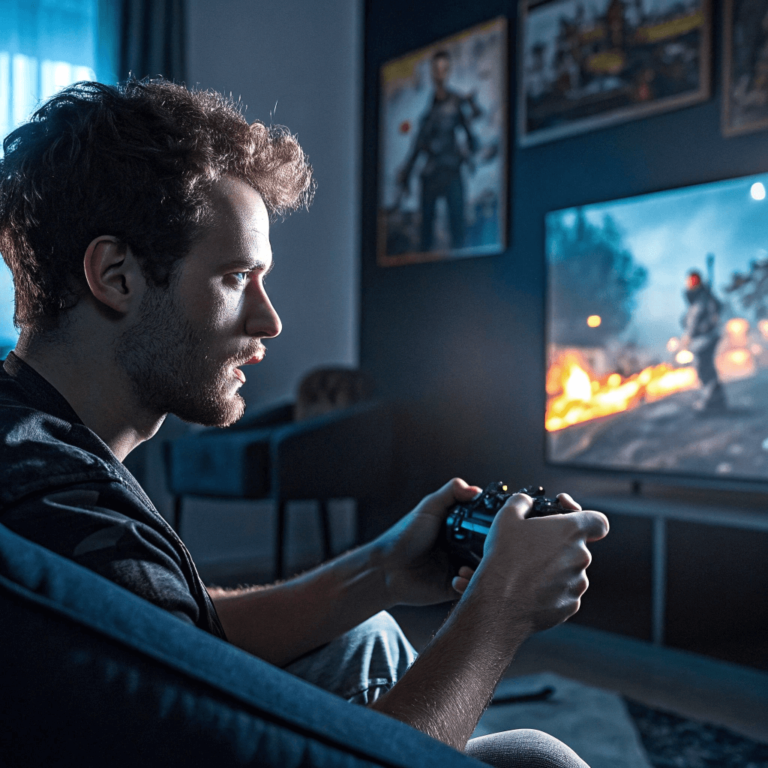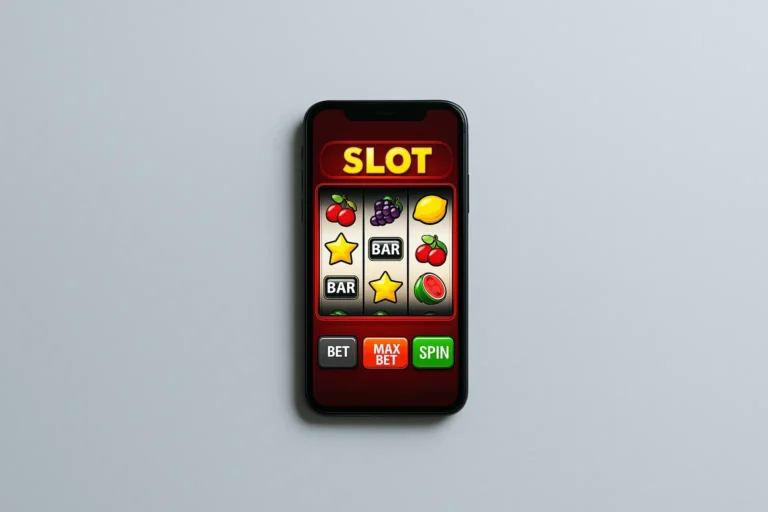

The image of the gamer has transformed dramatically over the past two decades. No longer confined to the stereotype of a reclusive teenager in a dimly lit room, today’s gamers are diverse in age, gender, profession, and interests. Modern gamers range from casual players enjoying mobile or social games to professional esports athletes competing at the highest levels. This evolution reflects broader cultural acceptance, technological advances, and the growth of the gaming industry, which has become a mainstream form of entertainment and social interaction. Gaming now intersects with education, mental health, and professional career paths, showing that it is far more than just a leisure activity. Understanding who gamers are today requires examining their habits, motivations, and how the perception of gaming has shifted across society.
The changing demographics of gamers
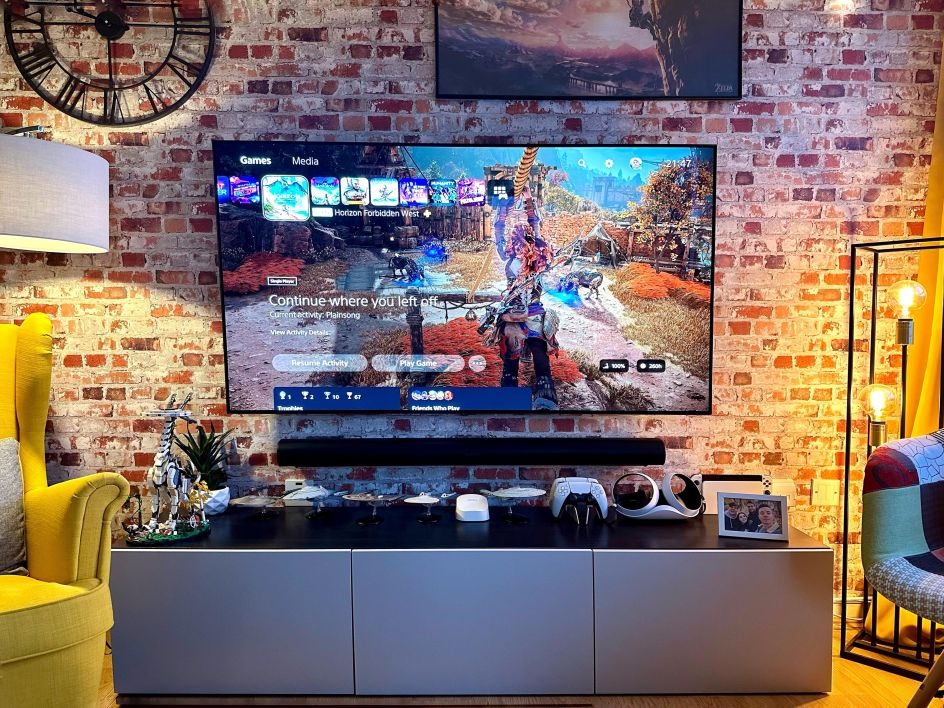
The gamer population has expanded and diversified far beyond early stereotypes. According to recent studies, nearly half of all gamers are women, and a growing number of adults in their 20s, 30s, and even 40s engage regularly in gaming. This diversification reflects changes in societal attitudes toward gaming as a legitimate form of entertainment and skill development. Platforms ranging from PC and console to mobile and cloud gaming provide accessibility for a wide array of players, ensuring that gaming is not limited by geography, socio-economic status, or prior experience.
This demographic shift has also influenced the type of games being developed. Developers now create content that caters to varied interests, including strategy, simulation, action-adventure, and story-driven experiences. Games are no longer designed solely for competition but also for creativity, storytelling, and social connection. Furthermore, esports has amplified visibility, showing that gaming requires skill, strategy, and teamwork comparable to traditional sports. Following professional scenes, such as monitoring the cs ranking, exposes gamers to competitive trends, meta-strategies, and team dynamics, reshaping the public perception of gaming as an intellectually and socially engaging pursuit rather than a mere pastime. As a result, modern gaming has become an inclusive, dynamic environment where players of all backgrounds can develop skills, express creativity, and connect with global communities.
Lifestyle and social aspects
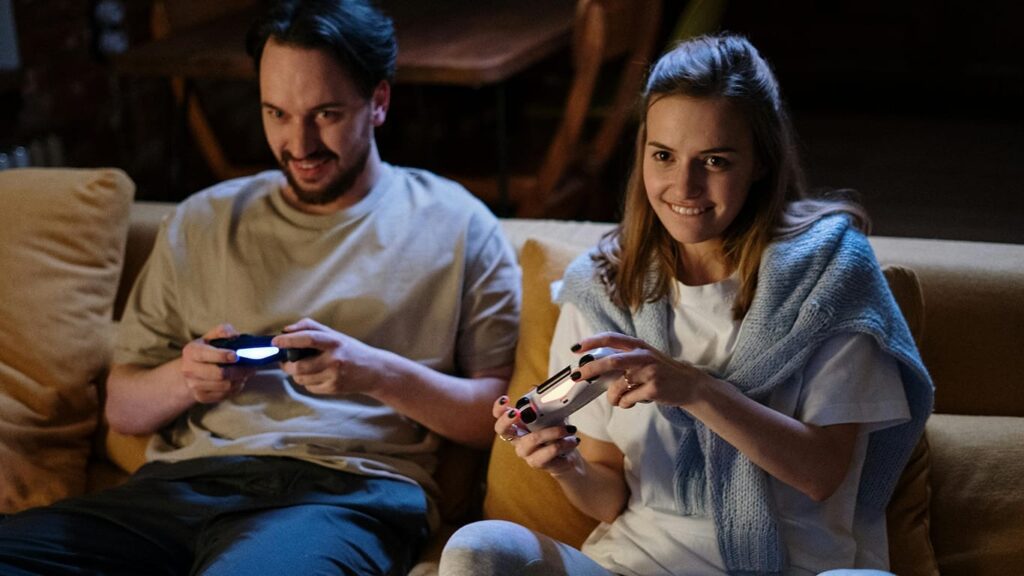
Modern gamers are often socially connected through online communities, streaming platforms, and multiplayer ecosystems. These spaces allow players to interact, compete, and collaborate with others across the globe, providing social engagement that transcends geographical boundaries. Gaming also intersects with other cultural elements such as music, fashion, and technology, shaping personal identity, hobbies, and lifestyle choices. Gamers often share tips, content, and experiences, creating micro-communities centered around specific games, genres, or platforms. These communities are more than just social spaces—they foster mentorship, teamwork, and cultural exchange among players.
The rise of content creation and streaming has further transformed the gamer identity. Individuals who previously played privately now share gameplay on platforms like Twitch, YouTube, and TikTok, cultivating communities of thousands or even millions of followers. This public visibility contributes to a broader understanding of the diversity and professionalism in gaming, challenging outdated stereotypes. Gamers today are not just players; they can be influencers, commentators, educators, and entrepreneurs, enriching the gaming ecosystem with creativity and personal expression. Online events, collaborative streams, and fan interactions further solidify gaming as a cultural and social hub that rivals traditional media.
The impact of technology on the modern gamer
Technological advancements have played a crucial role in redefining who gamers are and how they engage with games. High-performance PCs, immersive consoles, virtual reality systems, and mobile devices allow for more accessible, interactive, and visually impressive experiences than ever before. Cloud gaming and cross-platform functionality enable players to engage seamlessly across devices, breaking traditional barriers between casual and hardcore gamers. These advancements create opportunities for players to explore new genres, collaborate in real-time, and participate in competitive or cooperative experiences that were impossible just a decade ago.
Additionally, data-driven personalization, adaptive gameplay, and AI-driven mechanics create tailored experiences that keep players engaged while fostering skill development, strategic thinking, and emotional investment. Gamers can now receive dynamic challenges that adjust to their skill level, making gameplay more rewarding and sustaining long-term interest. This technological integration enhances the appeal of gaming to a broader audience, encourages repeated engagement, and blurs the line between entertainment and professional competition. The combination of immersive technology, community engagement, and competitive opportunities has solidified gaming as both a cultural and social phenomenon, influencing how the modern gamer is perceived in society.
Challenges and stereotypes still present
Despite the evolution of the gaming demographic and lifestyle, some outdated stereotypes persist. Gamers are sometimes still portrayed as socially isolated, obsessive, or unproductive. These misconceptions overlook the diverse motivations, achievements, and social contributions of gamers. Competitive and professional gaming, particularly in esports, demonstrates commitment, teamwork, and mental agility, highlighting the potential of gaming as a legitimate career path. The perception of gaming is slowly shifting, but media coverage and societal narratives often lag behind the reality of modern gaming culture.
Furthermore, while gaming has become more inclusive, issues such as harassment, toxicity, and accessibility barriers remain. Modern gamers often navigate these challenges within online communities, developing norms, etiquette, and advocacy to promote safer and more welcoming environments. Initiatives to improve diversity, equity, and inclusion in gaming highlight the community’s ability to self-regulate and foster positive social spaces. Recognizing both progress and ongoing challenges helps present a more nuanced understanding of gaming culture and the individuals who define it, emphasizing that gamers are responsible, creative, and socially connected individuals rather than fitting old stereotypes.
Conclusion
The modern gamer is a far cry from the outdated stereotype of isolated, teenage enthusiasts. Today, gamers are diverse in age, gender, and interests, actively participating in professional esports, casual play, and content creation. Social connectivity, technology, and the growth of the gaming industry have reshaped gaming into a mainstream cultural phenomenon that influences lifestyle, identity, and social interaction. Engaging with resources such as the cs ranking provides insight into the competitive landscape, showing that gaming requires skill, strategy, collaboration, and dedication comparable to traditional sports.
As the gaming community continues to evolve, the perception of gamers as multifaceted, socially connected, and culturally influential individuals will continue to solidify. Modern gamers exemplify the convergence of entertainment, competition, and creativity, demonstrating that gaming is not just a pastime but a dynamic, meaningful, and globally recognized component of contemporary culture. Their impact on media, technology, and social interactions underscores the significance of gaming as a defining feature of the 21st-century digital era, bridging entertainment with innovation, connection, and personal development.
About the Author