
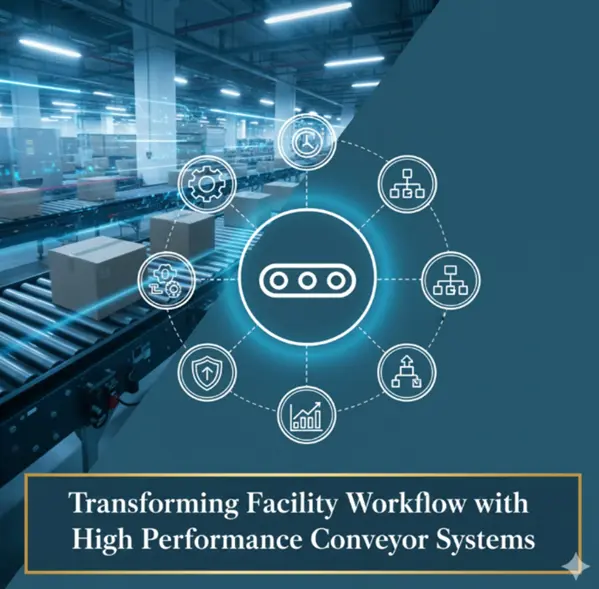
Efficiency is the one common guiding principle that successful facilities share. It ensures a smooth workflow within the manufacturing plant, packaging unit, or distribution center you manage, which enables consistent productivity and cost control.
When bottlenecks happen because of the accumulation of material or product and the output suffers, then the blame for that is usually ascribed to the move rather than the workforce.
That is where the optimization of internal logistics becomes paramount.
Facilities that invest in high-performance conveying solutions realize improved throughput, reduced errors, and more effective utilization of the workforce. The secret to success lies in selecting systems that will integrate smoothly with your operation and will easily adapt to meet your particular workflow demands.
It is this understanding of how these systems reshape productivity, safety, and the use of space that provides clarity for decision-makers in order to stay ahead.
This article examines how high-performance conveyor systems can transform facility operations
1. Smoother Material Movement and Reduced Downtime
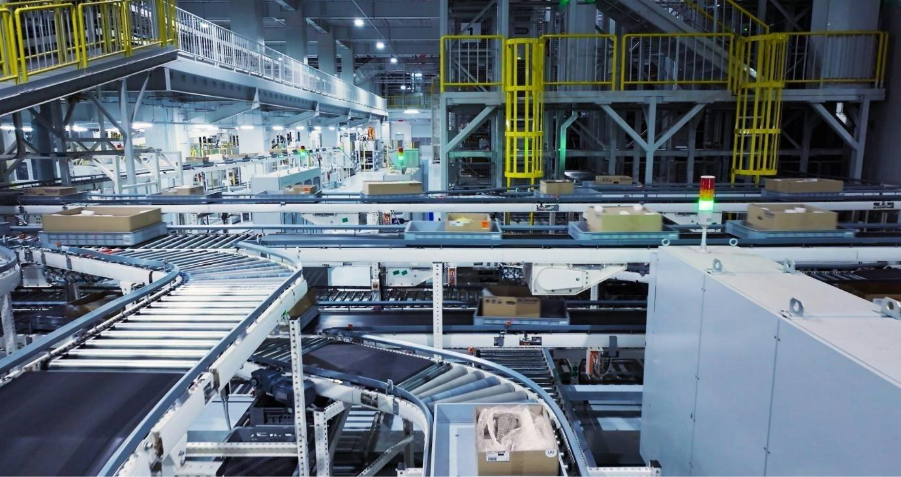
Smooth material flow is what can make or break the efficiency of a facility. When every process connects seamlessly, operations run faster, errors drop, and production stays on schedule.
Most firms have shown how the introduction of advanced conveyor systems increases consistency and reduces hold-ups associated with manual intervention.
These automated systems ensure a continued supply of goods, whether it’s raw materials en route to production or finished items on their way to packaging.
Conveyor systems reduce stop-and-go interruptions, freeing teams to perform more valuable tasks than attending to logistics bottlenecks. The result is a better balance in workflow, reduced downtime, and increased productivity at the operational level.
Moreover, such convenience means that a well-optimized conveying setup will have material in the right place at the right time, thereby enhancing throughput and efficiency at all levels.
2. Improved Workplace Safety and Ergonomics
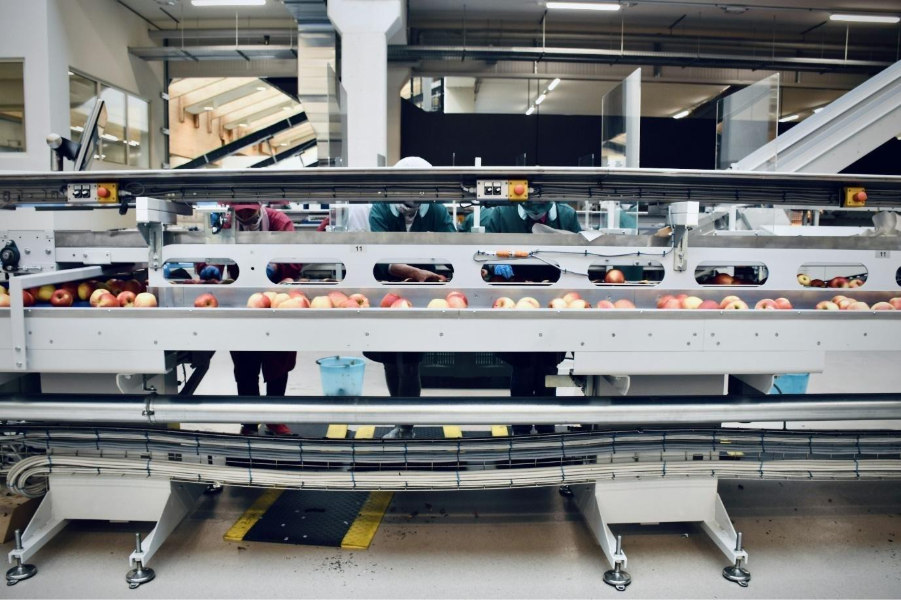
Manual lifting, carrying, and repetitive movements are among the top causes of workplace injury and fatigue. The use of conveyor systems reduces these dangers to a minimum by automating the transport of heavy and hazardous materials.
Workers do not have to move products over long distances or through inconvenient spaces manually anymore. This is safe for the workers and ensures ergonomic efficiency.
With less physical strain, workers can perform better and keep a keener eye on quality control and operational accuracy.
Furthermore, there has been the installation of automated conveyors that have advanced safety features like emergency stops, sensors, and guards that further protect personnel.
With improved workplace safety, facilities see fewer absences due to injury, reduced insurance claims, and an improved safety culture that meets the standards of today’s labor market.
3. Increased Productivity Due to Automation
High-performance conveyor systems involve more than just motion; they coordinate every aspect of the production process through automation.
From robotic pick-and-place units to automated quality checks, conveyors provide the basis for smooth coordination.
In most manufacturing environments, depending on the product complexity and volume, automation can increase throughput by up to 25% to 50%. That is because the conveyors maintain workflow consistency, enabling robotic systems or operators to focus on high-value-added tasks instead of time-consuming transportation duties.
Automation offers accurate results and complete consistency, very few mistakes, and minimal rework for the job, along with optimum use of raw materials.
4. Space Optimization and Smarter Facility Design
In many cases, space ranks as one of the most expensive assets of a facility, and how that space is used determines efficiency.
High-performance conveyors can be designed to fit restricted vertical spaces, tight corners, or multilevel operations, and they make full use of every available space.
Unlike more traditional floor systems, modern conveyor systems can run overhead, freeing up space for equipment, storage, or other assembly lines.
Modularity in conveyor systems lets facilities easily and inexpensively reconfigure their layouts to meet changing production demands over time.
This versatility is particularly important in logistics and e-commerce centers, where demand for faster order fulfillment continues to increase. It enables firms to increase their capacity without necessarily expanding the facility itself; hence, it is very cost-effective, with long-term benefits accruing from it.
5. Data-Driven Monitoring and Predictive Maintenance
Another important advantage of a contemporary conveyor system is that it can easily be integrated with digital monitoring.
These smart systems are gathering critical real-time data on key performance indicators, such as belt speed, load weight, and energy consumption.
Predictive maintenance software enables the manager to identify a pending fault before it leads to downtime; therefore, the repair can be scheduled during a planned break rather than as an emergency stoppage.
This trend of moving from reactive to proactive instrumentation maintenance increases equipment service life and operational reliability.
6. Sustainability and Energy Efficiency
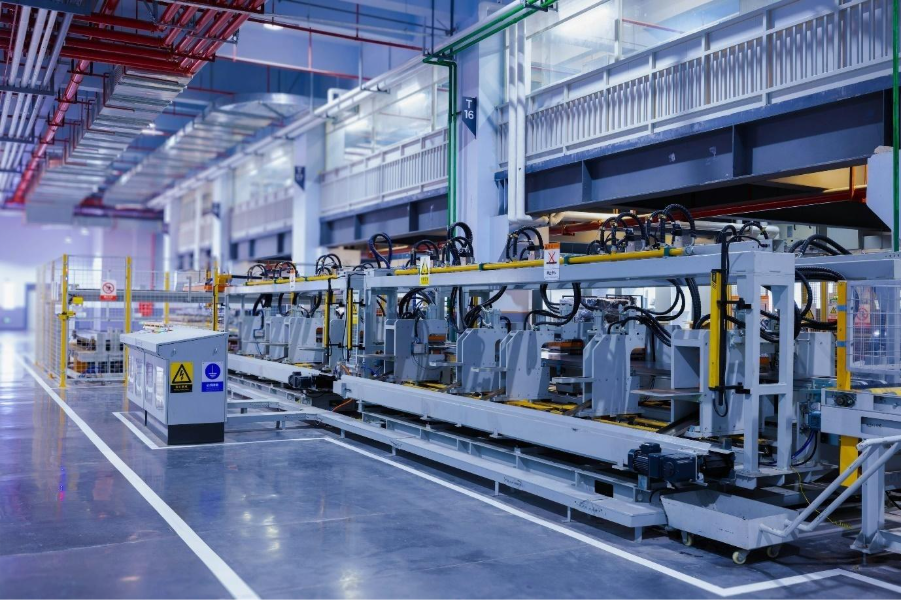
A key issue in modern industrial production systems is their sustainability; high-performance conveyor systems significantly contribute to achieving this goal.
The modern design of most systems incorporates energy-efficient technologies, such as motors, regenerative braking, and variable-speed drives, to minimize power consumption when the system is at rest.
This reduces environmental impact and cuts operational costs. Other systems are modularly designed with recyclable materials to achieve green manufacturing objectives. It has also been reported by most facilities that energy-efficient conveyors, after installation, significantly reduce their carbon footprint without compromising performance.
Beyond mere adherence to environmental legislation, these sustainable improvements cumulatively contribute to a positive brand image, demonstrating to clients and partners that efficiency and responsibility can go hand in hand.
Wrapping Up
It all starts with smart investments, and high-performance conveyor systems are right at the heart of facility workflow transformation.
They bring precision, safety, and speed to all material handling processes, enabling enterprises to focus on growth rather than inefficiencies.
From reducing downtime to optimizing space, integrating automation, and incorporating sustainability, these systems demonstrate that innovation in motion yields tangible results.
Whether manufacturing, packaging, or distribution occurs in your facility, the move to high-performance conveying solutions is not about merely keeping pace, but about staying ahead.
About the Author