The Sinai Peninsula is one of the most enchanting and historical regions of Egypt. It lies between the Red Sea and the Mediterranean; it is a land with varied landscapes, including massive deserts, mountain peaks, and a life-filled coastline.
Most visitors are aware of Sinai and its beaches or diving locations, but there is much more to explore: its religious heritage, a rich geological background, and a very interesting blend of cultures.
You may come here on a guided tour or on your own as a part of a bigger Egyptian quest, but these ten little-known wonders will make you even closer to the soul of Sinai.
1. A Geographical Bridge Between Continents
When planning to visit Egypt, the Sinai Peninsula is a wonder that you should not miss. It is an upsurge where Africa collides with Asia and, therefore, a unique link between the two continents.
It is a small yet strategically located landmass in the shape of a triangle, bordered by the Red Sea, the Mediterranean, and the Suez region. Throughout history, this special place has remained a center of exchange, faith, and immigration, and it still carries the impression of a place where worlds collide.
2. Mount Sinai and a Prehistoric Monastery
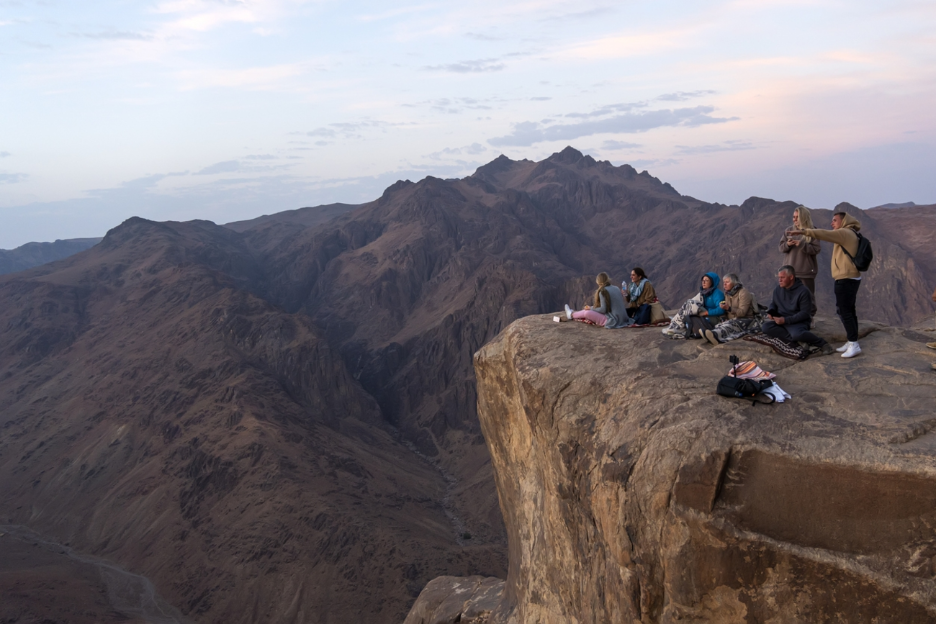
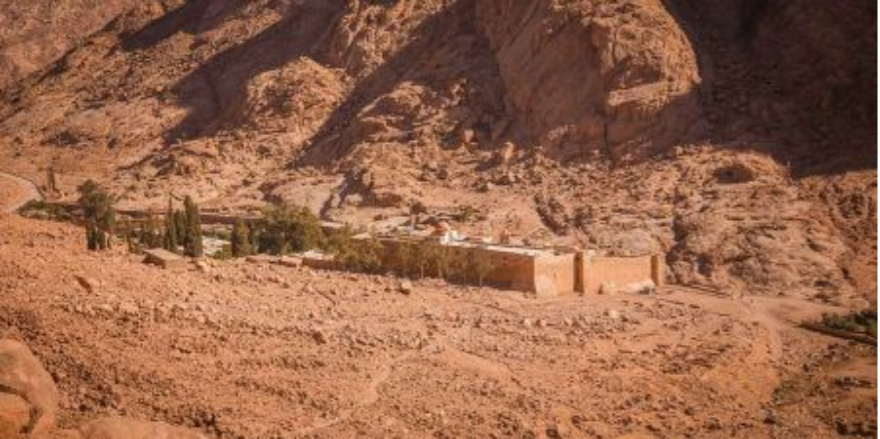
The towering Mount Sinai is among the most spiritual sites in Sinai, and it is claimed that this is where Moses received the Ten Commandments. Close to its base is the Monastery of Saint Catherine, erected in the 6th century by Byzantine emperor Justinian I.
It is among the oldest fully inhabited Christian monasteries in the world and contains invaluable manuscripts and icons. Pilgrims and tourists tend to ascend the mountain at dawn to see the first light on the rocky slopes.
3. A Network of Hidden Canyons
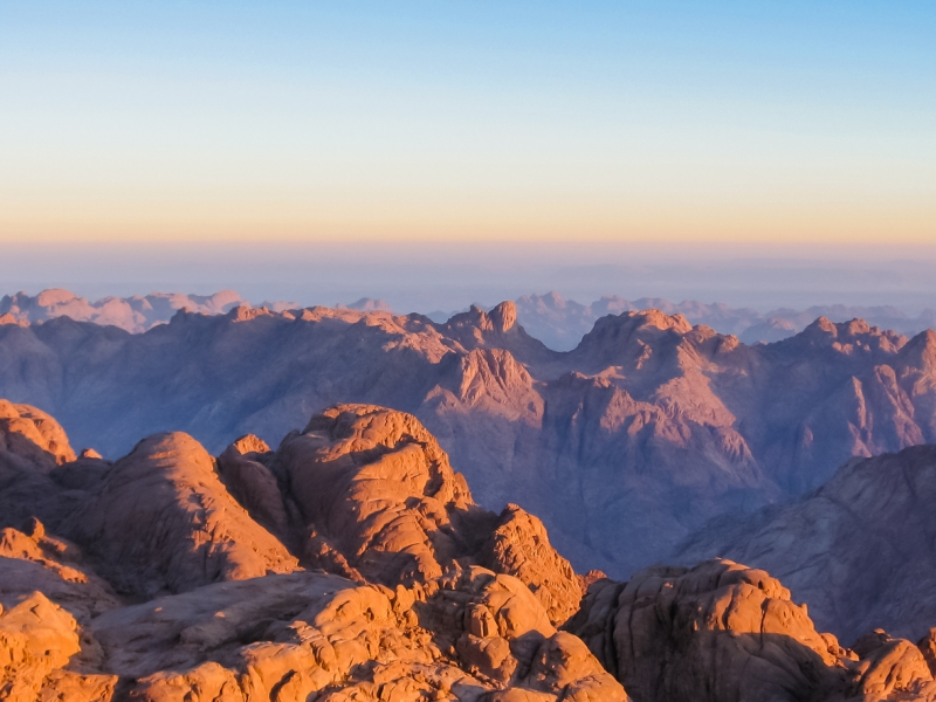
In addition to its deserts, Sinai conceals dramatic canyons that seem like nature’s hidden sketches. The Coloured Canyon, which is a product of wind and water, winds through the walls of russet rocks, up to 30 meters high.
There is the White Canyon, where one can enjoy spectacular views and have the opportunity to walk through twisting formations of rock. Such natural routes are perfect for the adventurous traveler who desires to explore offbeat natural marvels.
4. The Salty Lagoon of Lake Bardawil
North of Sinai is Lake Bardawil, a shallow, highly saline lagoon divided from the Mediterranean by a sandbar. This uncommon marsh has its own ecosystem and offers a less hustle-bustle side of Sinai that is not overrun by tourists.
Nature lovers and birdwatchers admire the area’s dramatic setting, and photographers can capture the shining salt flats that stretch across the horizon.
5. Wadis Echoing Ancient Time Tales
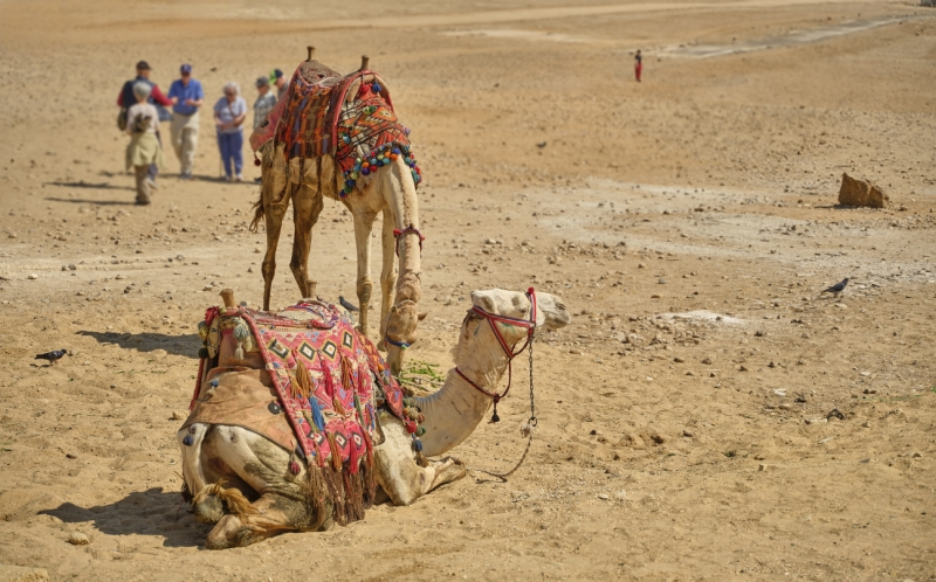
Sinai is not just a desert; it is intersected with dry riverbeds known as wadis. Take, for instance, the Wadi al-Arish, which used to flow into the peninsula and the Mediterranean.
Some scholars believe this was a border mentioned in ancient texts. The channels were also significant travel and trade avenues, with some armies being directed to Sinai’s remote corners, connecting the world beyond.
6. Diverse Wildlife
Many people will be surprised to find out that despite its aridness, Sinai supports a diverse wildlife. Species adapted to deserts, such as the Nubian ibex, gazelles, foxes, and reptiles, call this land home. They hide in the rocks, slopes, and cracks.
The Gulf of Aqaba and the Red Sea are also coastal areas home to marine life; coral reefs, fish species, and other sea creatures are abundant in these deep, clear waters. This biodiversity has made Sinai not only a place for historical lovers but also for nature lovers.
7. The Bedouin Culture and Tradition
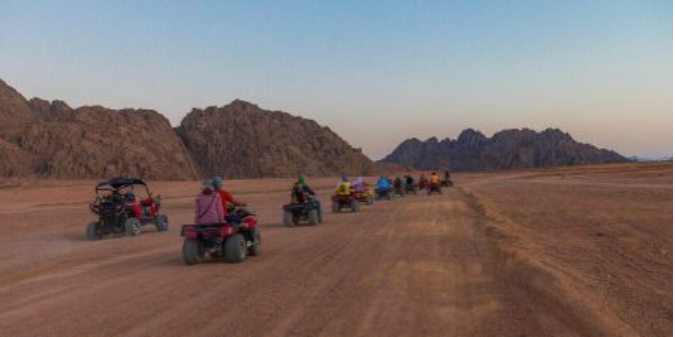
Bedouin tribes that live in the Sinai sustain their traditional desert life and have lived here for ages. Their hospitality, narrative, and familiarity with the land are a living link to the past of Sinai.
One can camp with them, listen to ancient stories under the stars, and even eat traditional meals. Their strong attachment to the land makes the visit to the peninsula an original experience.
8. A Strategic Military and Trading Crossroads
The location of Sinai has been a strategic one. In ancient times, the trade routes that traversed it were fortified, and it has been a battleground in numerous subsequent events.
Its geography made it a defensive barrier and an important trade route, from the time of the Egyptian dynasties up to the present. It is one of the aspects of history that makes tours here so rich: visitors follow the footsteps of ancient traders and armies.
9. Hidden Springs and Hot Baths
Another Sinai treasure that is not so widely known is Hammam Fara’un, or the Baths of the Pharaoh. These are the hot springs that are bubbling on the mountain bases of the Red Sea, offering a natural spa that is relaxing and wild.
There are also tranquil relaxation and wind-based sports opportunities nearby, such as kitesurfing, as well as soft-sand beaches such as Ras Sedr. This contrast between the more rugged regions of Sinai and this combination of relaxation and adventure is beautiful.
10. Protected Areas and Coral Reefs
Lastly, Sinai is also popular for its natural reserves and subterranean treasures. Ras Mohammed National Park, the marine heaven of Sina, is situated at the southern end of the city, where colorful coral reefs meet dramatic cliffs.
The Nabq Protectorate is located nearby, where mangrove forests, mountain valleys, and other bird and plant species are found. These conserved areas demonstrate that Sinai is not only a desert of sand, but also an animated landscape, one that supports ecological stability and adventurous tourism.
Final Thoughts
There is much more than desert sands and Red Sea views in the Sinai Peninsula; it is a place of rich history, spirituality, and natural marvels. Every single corner of Sinai has a tale to tell, whether it is ancient Christian monasteries, hidden canyons, or desert wadis.
Its wildlife, Bedouin culture, and safe parks invite you to take things at a slower, more considered pace. For any traveler heading to Egypt, visiting Sinai is more than a field trip; it is a journey into the world of geology, history, and culture.
Examine these ten amazing features, and you are likely to unearth a section of Egypt that amazes, inspires, and stays very memorable.
About the Author