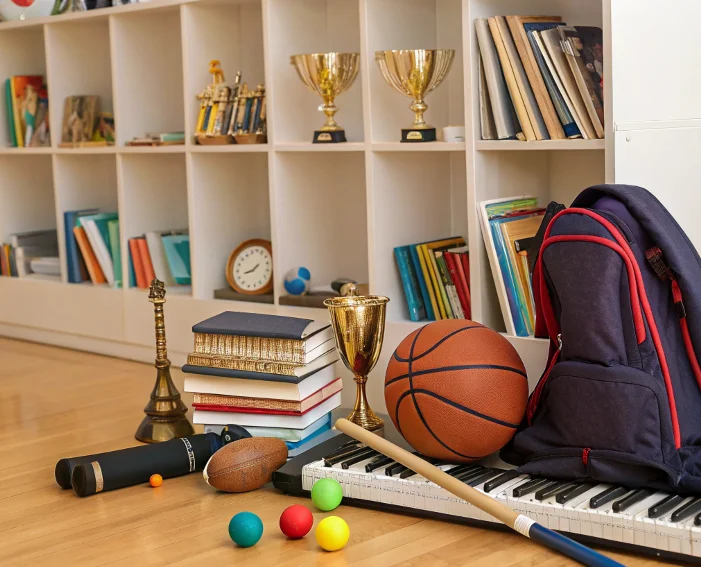
Extracurricular activities are not an add-on in modern private education — they are a core component of holistic development. While public systems often limit such programs due to budget and time constraints, a private school can dedicate significant resources to sports, arts, debate, robotics, music, and community service. These experiences build functional literacy in its broadest sense: the ability to communicate effectively, solve real-world problems, manage emotions, and collaborate across differences. Research consistently shows that students deeply engaged in extracurriculars demonstrate higher academic performance, better mental health, and stronger university applications.
Common Activities in Private Schools
Private schools typically offer an impressive range of options that go far beyond what most public institutions can provide. Popular categories include competitive sports (football, swimming, tennis), performing and visual arts, STEM clubs, Model United Nations, environmental initiatives, and entrepreneurship programs. A private school often has dedicated facilities — theatres, recording studios, makerspaces — that turn interest into expertise. In a school Cyprus context, for instance, activities frequently incorporate Mediterranean culture, sailing clubs, or archaeology projects, enriching the experience with local flavor.
Benefits for Student Growth
Participation translates into measurable life skills. Team sports teach resilience and leadership; theatre builds confidence and empathy; debate sharpens critical thinking and public speaking — all aspects of functional literacy that textbooks alone cannot deliver. Longitudinal studies reveal that students involved in two or more extracurriculars per year show markedly lower anxiety levels and higher self-esteem. Moreover, universities increasingly value depth over breadth: a student who leads the robotics team or directs the school play stands out far more than one with only high grades.
Balancing Academics and Activities
The best private schools deliberately structure schedules to prevent overload. Advisory systems, capped activity commitments, and “no-homework weekends” before major competitions are common tools. At Trinity private school, as in many peer institutions, teachers and coaches collaborate to monitor workload, ensuring that passion projects enhance rather than compete with classroom learning. This intentional balance produces graduates who are both academically strong and genuinely well-rounded.
Parental Involvement
Parents play a vital supporting role. Attending performances, volunteering as coaches, or simply encouraging consistent participation reinforces the value of these activities. Many private schools host parent-child tournaments or exhibitions, strengthening community bonds. When families engage, children perceive extracurriculars as shared family priorities rather than obligations.
Here is a list of evidence-based long-term benefits linked to sustained extracurricular participation in a private school environment:
- Improved time-management and prioritization skills that carry into university and career.
- Stronger professional networks formed through alumni of the same clubs or teams.
- Higher likelihood of receiving university scholarships tied to talent or leadership.
- Lower rates of depression and burnout during teenage years.
- Enhanced functional literacy: real-world application of communication, creativity, and collaboration.
Beyond the data, many alumni reflect that their fondest memories and most enduring friendships originated not in classrooms but on stage, on the field, or during late-night preparations for a competition. Whether at Trinity private school or any comparable institution within a school Cyprus framework, these experiences often become the defining element of a student’s identity and future success.
Success Stories
Countless graduates credit extracurriculars for pivotal opportunities. One former debate captain now works as a diplomat; a theatre alumnus directs films in Hollywood; a robotics team leader founded a tech start-up at 23. These stories are not exceptions — they are predictable outcomes when a private school treats extracurricular life with the same seriousness as academics.
About the Author