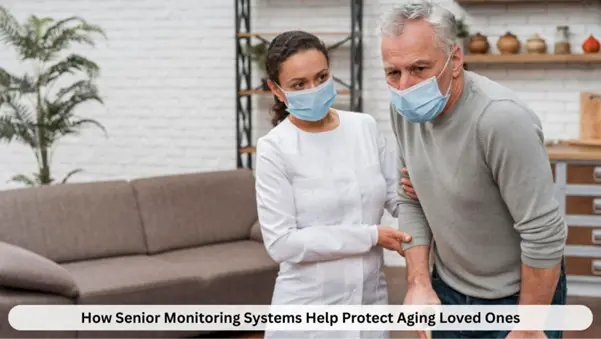
Aging represents a remarkable phase of life; however, it also raises serious concerns for personal safety, which the family cannot overlook. As parents and grandparents grow older, mundane chores such as getting out of bed at night, taking a bath, or walking to the kitchen become a challenge.
No one ever dreams about having a loved one in an emergency and unable to dial for support, though it actually happens much more frequently than most of us care to recognize. On the bright side, the situation has improved significantly due to the intervention of technology.
Geriatric monitoring tools have evolved from mere emergency response devices to intelligent devices capable of both warning caregivers and preventing accidents from occurring in the first place. Below are the benefits of the monitoring systems to the elderly.
1. Instant Response for Emergency Situations Using Sophisticated Fall Detection Technology
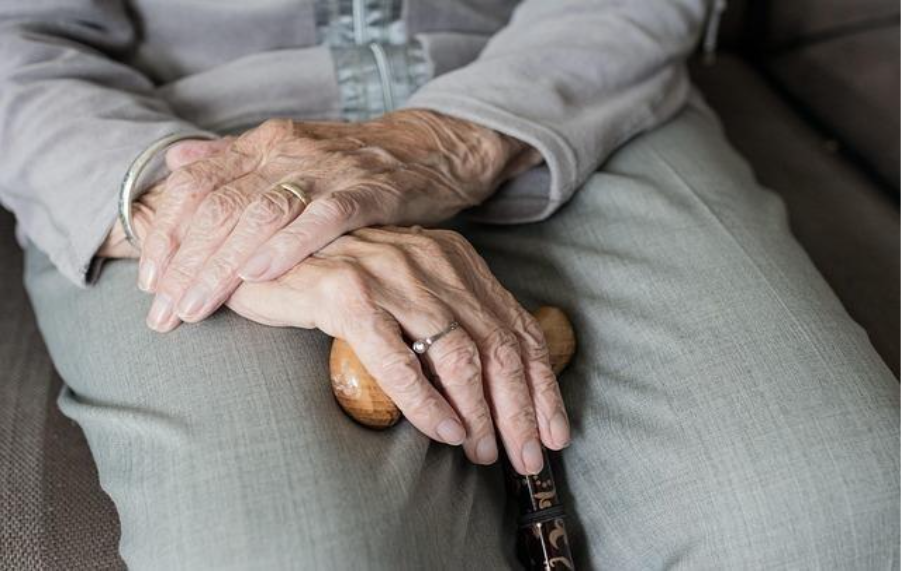
A crucial aspect of an effective elderly monitoring solution is the device’s ability to detect falls and trigger alerts immediately. For instance, in Canada, most seniors experience regular falls, which in some cases lead to injury or even death, especially when there is no one to respond immediately.
Fortunately, today’s devices are designed with advanced accelerometers and barometric pressure technologies that can distinguish between typical activity and an actual fall. As soon as the monitoring solutions detect an abrupt change in posture and its resulting impact, they automatically access the central monitor within seconds.
Such a solution proves very effective for an elderly person who may be unconscious, confused, or physically unable to activate the emergency response from the device’s panic button.
With the device’s operation, a two-way voice response link is instantly established between the elderly person and the monitor center’s trained professionals, who analyze the situation and mobilize the necessary response even if the elderly person does not respond to their questions.
Therefore, to ensure the safety of the senior citizens, you need to look for the best senior monitoring devices in Canada, which will not only guarantee safety but will also enhance their independence.
2. Continuous Health Monitoring and Vital Sign Tracking
In addition to emergency response, the latest monitoring technologies serve as personal health companions, continuously monitoring the patient’s vital signs and activity levels.
Such devices monitor heart rate, high and low blood pressure, blood oxygen levels, and activity levels, thereby forming an integrated health record for the patient, which alerts the caregiver to impending health changes ahead of an emergency.
In the case of the elderly who suffer from other chronic conditions such as diabetes and high blood pressure, the device acts as a medicine reminder and automatically transmits the patient’s health information to the health provider without intervention from the patient’s family members.
Hence, such an emergency could be avoided as the health issue gets treated at an early age, compared to emergencies where the condition might be worse than expected.
3. GPS Location Tracking for Wandering Prevention
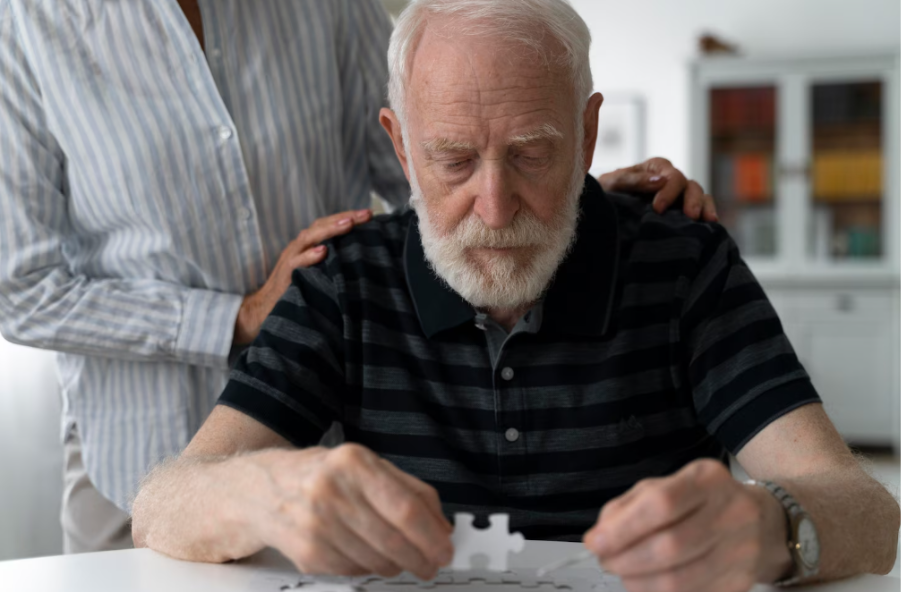
In the case of seniors with dementia or Alzheimer’s, location-tracking features are a crucial lifeline for caregiving members. Such advanced technologies empower caregivers to monitor the location of their loved ones in real-time, thus creating ‘safety zones’ for the tracking device to send instant alerts whenever the loved one ventures into zones of possible danger.
Such technologies are more than mere location-tracking devices—for instance, they can monitor movement patterns and forecast potential danger routes for the care recipient in the form of ‘wander alerts.’
Such features are very useful for elderly care recipients who are outdoor enthusiasts and tend to lose their bearings at times, thus allowing them the freedom to be independent while keeping them safely tied to their support networks.
4. Two-Way Communication and Social Connectivity Features
Contemporary monitoring solutions recognize the needs of senior safety, which must be integrated not only to address physical health concerns, where the consequences of falling can be serious, but also to attend to emotional well-being and the social needs of human interaction for seniors.
Features such as advanced two-way communication allow seniors to easily connect with family members, caregivers, and emergency services directly from the push-button interface or via voice commands.
In addition, video-calling solutions enable seniors to easily connect, even for those who are not tech-savvy, via large, easy-to-view displays and intuitive interfaces. Such communication tools play an important role in fighting the effects of seniors’ chronic loneliness, which makes them health-critically isolated.
Bottom-Line
Senior monitoring systems have evolved from simple emergency response buttons to an entire personalized safety network for elderly family members on multiple levels. By effectively merging the power of advanced technology and human observation, these monitoring tools create the ideal blend of freedom and security for the elderly at home, who are cherished family members yet still value their independence.
Not only do these tools respond well to emergencies, but they also effectively prevent such situations from occurring in the first place. For families struggling to cope with the increasing difficulties of caring for their elderly relatives while also wishing to retain their independence, these tools are simply an angel from above in disguise.
About the Author