
Anglers often look for ways to increase their catch rate, and small modifications to flies can make a significant difference. Introducing fly tying beads to artificial lures not only enhances their appeal but can also change the way fish perceive and interact with them.
Utilizing beads in fly tying can transform a mundane pattern into an irresistible enticement for fish. In this article, we delve into how adding this simple element to your lures can greatly enhance your fishing success.
Elevating Lure Visibility with Fly Tying Beads
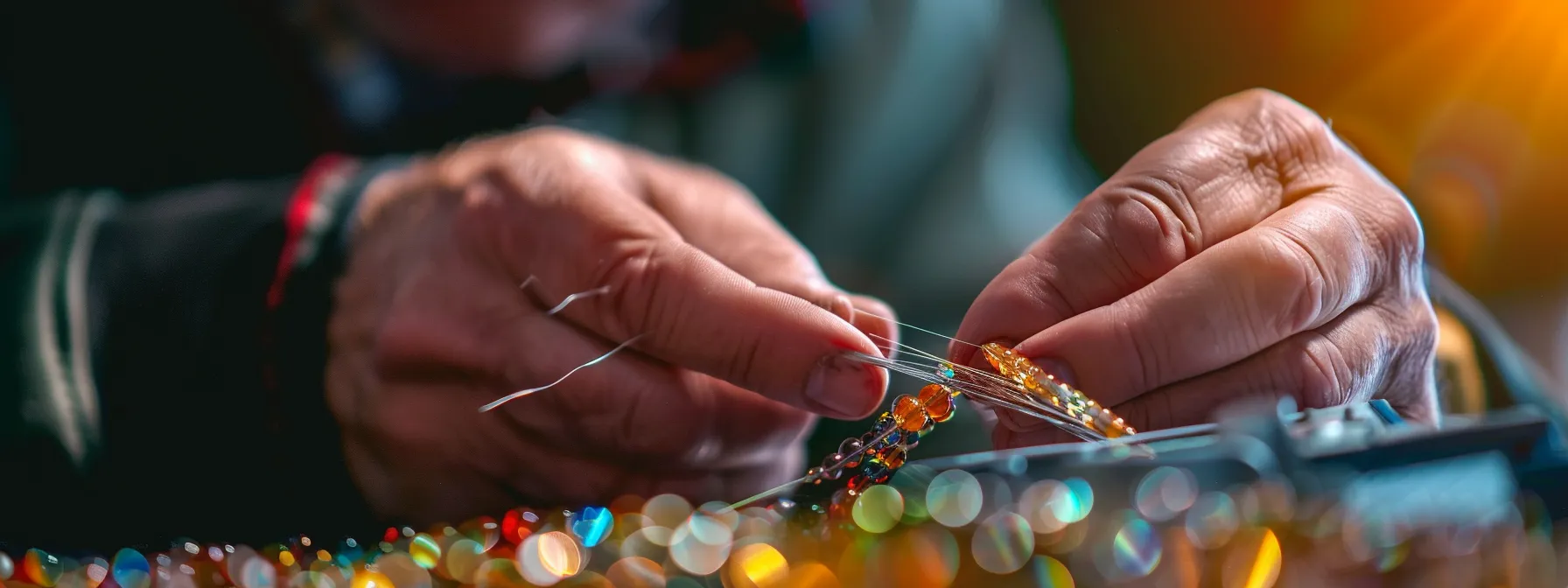
One of the prime benefits of adding fly tying beads is their ability to elevate lure visibility. When sunlight hits the water, the reflective quality of beads can mimic the shiny flicker of natural prey, catching the eye of predatory fish.
Choosing the right bead finish—whether it’s matte, metallic, or iridescent—can influence the underwater light show you present. A metallic bead might be ideal in murky waters, while a subtle matte finish could work better in clear streams.
To achieve the best results, anglers should experiment with different finishes in diverse fishing conditions, continually adapting to the water clarity and light levels. This attention to detail can make all the difference in a successful fishing excursion.
Matching the Hatch: Fly Tying Beads for Realistic Imitations
Fly fishing excellence often relies on the ability to “match the hatch” — offering flies that closely resemble the local prey insects at their current life stage. Fly tying beads add a level of detail that can make your artificial flies almost indistinguishable from real insects.
When selecting beads, consider both shape and texture, which can emulate the heads or thoraxes of various insects. An accurately placed bead not only adds the right touch of realism but also enhances the fly’s weight and sink rate, making your offering more convincing.
For the fly tyer aiming for utmost authenticity, attention should be paid to the lifecycle of local insect populations. Aligning bead selection to these patterns enhances the likelihood of your fly being taken by a discriminating fish. Tips for tying realistic flies can provide additional guidance.
The Role of Bead Size and Color in Attracting Fish
Bead size and color play crucial roles in how fish perceive your fly. Both aspects can influence visibility, simulate prey size, and trigger instinctual feeding responses. Larger beads can make your fly seem more substantial, while smaller ones are often ideal for more subtle presentations.
Color is equally important and should be matched to the fishing environment and target species’ preferences. Some species may be attracted to bright, contrasting colors, while others may respond better to natural, subdued tones that blend in with the surroundings.
Anglers should maintain a variety of bead sizes and colors in their fly-tying arsenal. For beginners, it might be advantageous to start with standard sizes and colors before branching out into more specialized options as experience grows. Adopting a methodical approach to testing bead variations can significantly up your fishing game.
Streamlining Your Fly Patterns for Enhanced Swimming Action

Incorporating beads into fly patterns is not just about visual appeal—it also affects the fly’s movement in water. Well-placed beads create a more streamlined profile, allowing the fly to cut through currents with lifelike swimming action.
Strategically positioning the bead can also adjust the fly’s center of gravity, which in turn can impact how it drifts or jigs in the water. A bead positioned near the hook’s eye, for example, can make a nymph pattern dive quicker, simulating a bug in distress.
Tailoring the swimming action of flies requires a bit of trial and error, but the payoff is substantial. Smooth and natural movement not only increases the chances of attracting fish but can also encourage more aggressive takes. For those interested in enhancing their flies’ action, it’s valuable to look into articulating your flies for more complex motion.
Ultimately, the key to successful fishing is often a blend of knowledge, skill, and attention to detail. By incorporating fly tying beads into your lures, you refine each of these aspects—improving lure visibility, creating realistic imitations, and fostering more natural movement in the water. Small adjustments to your fly patterns with carefully selected beads can lead to more productive days on the water and a higher rate of success.
About the Author